Speakers
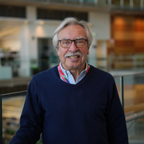
Keynote Speaker
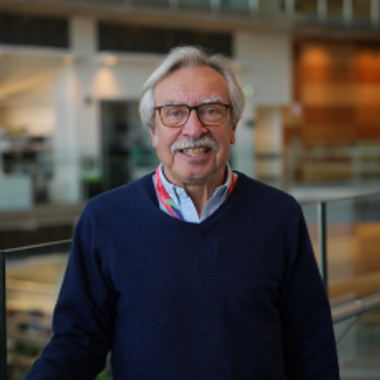
Professor Hayday studied biochemistry at Cambridge and was awarded a PhD in tumour virus genetics at Imperial College London. Moving to MIT [1982], he identified a mechanism by which chromosome translocation activates the c-myc oncogene in Burkitt’s lymphoma. He then co-discovered genes defining a novel and unanticipated lymphocyte compartment called gamma delta (gd) T cells. On the faculty at Yale (1995-1998) and following his move to London, Professor Hayday showed that gd T cells are unique; that mice lacking gd T cells are highly susceptible to skin cancer; and that gd T cells possess unique mechanisms to discriminate healthy from transformed cells, thereby creating a natural therapeutic window. Building on this, Professor Hayday spun-out “Gamma Delta Therapeutics” and “Adaptate”, initiating clinical trials in refractory leukaemia before company acquisitions by pharma. Additionally, Professor Hayday applied human genetics to show that gd T cell dysfunction can contribute to Crohn’s Disease progression. Professor Hayday won the DeVane Medal, Yale College's highest award for scholarship and teaching [1997]; was elected to lead the British Society of Immunology [2005-2009]; has chaired numerous funding committees, e.g., for Cancer Research UK, the American Cancer Society, and the Wellcome Trust; was elected Fellow of the Academy of Medical Sciences [2002] and the Royal Society [2016]; received an honorary degree from Heidelberg University [2022]; and an EFIS/SPI Distinguished International Lecture Award [2026]. Professor Hayday is also keenly interested in high-throughput human immune-profiling, related to which his laboratory was among the first to describe human immune responses during COVID-19, with the results being used to amend UK Government Policy.