
An Introduction to High Content Imaging
An Introduction to High Content Imaging
Scientific Organisers: Jacquelyn Bond (University of Leeds), Steve Briddon and Tim Self (University of Nottingham)
High content imaging (HCI) involves automated collection and analysis of images to provide quantitative data on a range of functional and morphological changes in cells, spheroids or organoids. It has become widely used as a tool for, amongst other things, screening of drug candidates, fragments, RNAi and miR. This meeting is aimed at introducing the power of HCI to PhD students, early career researchers and academics who are new to HCI or would like to increase their understanding of the technique. It will cover experimental requirements, image collection techniques and analysis in high content imaging, as well as example applications for this approach. Major suppliers of HCI software and analysis will also demonstrate applications and uses of their software.
Provisional Programme
Scientific Organisers and Speakers
Scientific Organisers
-

Dr Steve Briddon
University of Nottingham
Steve is a Principal Research Fellow in the Institute of Cell Signalling, School of Biomedical Sciences. His interest is in using imaging approaches to understand the molecular pharmacology and organisation of G-protein coupled receptors. These are a large family of cell surface proteins, which are targets for many currently used drugs. With a background in pharmacology and cell signalling, Steve’s focus since arriving in Nottingham in 2000 has been on applying microscopical techniques, such as fluorescence correlation spectroscopy, confocal and wide-field fluorescence microscopy and TIRF, to study how GPCRs are compartmentalised in the cell membrane, and how this affects their pharmacology. -

Dr Jacquelyn Bond
University of Leeds
Jacquie is a Senior Lecturer in the Leeds Institute of Biomedical and Clinical Sciences, Faculty of Medicine and Health based at St James’s University Hospital. Her research group uses imaging approaches to investigate genes and proteins involved in mitosis, which when mutated cause Autosomal Recessive Primary Microcephaly (MCPH). The group use live cell imaging, confocal, super resolution and high-content high-throughput microscopy to identify and quantitate changes in mitotic spindle orientation, microtubule and actin organisation and cell cycle progression in patient cells and modified cancer cells. Jacquie’s interest in cell biology and imaging has led to her developing a high-throughput high-content imaging bio-screening facility at Leeds, which screens whole and partial genome siRNA/miRNA libraries and small molecule libraries to identify components of biological/disease pathways, therapeutic targets and novel therapeutic drugs. Currently she is the Academic Lead for imaging for the SCIF Flow Cytometry and Imaging Facility, University of Leeds, which for imaging encompasses a number of widefield, live cell and confocal imaging systems and the bio-screening service. -

Mr Tim Self
Head of SLIM - School of Life Sciences Imaging Facility, Faculty of Medicine & Health Sciences
Tim Self is a Chief Experimental Officer and Head of the Imaging facility at the School of Life Sciences, University of Nottingham. His interest and passion for microscopy started in his undergraduate project using electron microscopy at the University of Sheffield and has spent the proceeding 35 years putting that passion into practice. For half of his career Tim has applied electron microscopy to many biological research questions until in 2000 he saw the light and moved over full time to light microscopy. He now runs a large core facility with EM, histology, super resolution, confocal, wide field, High Content, FCS and TIRF imaging at the University of Nottingham.
Speakers
"Context Provider: When Screening Goes From The Easy to The Complex"
-
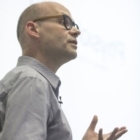
Mr Steve Bagley
Head of Imaging & Flow Cytometry at Cancer Research UK Manchester Institute
Based at Cancer Research UK Manchester Institute, Steve manages a facility and a team of seven scientists who support high content screening, super-resolution, confocal microscopy, flow and mass cytometry, histological whole slide screening and analysis and in vivo imaging. The facility, founded in 2001, works alongside 35 research groups and five other facilities undertaking predominantly translational research whilst implementing new technologies and workflows.
"Understanding causes and consquences of cell cycle heterogeneity through single-cell imaging"
-

Dr Alexis Barr
MRC London Institute of Medical Sciences
Alexis is a Cancer Research UK Career Development Fellow at the MRC-LMS, Imperial College London. She started her independent research group in September 2018 and prior to this she trained at the ICR and the CRUK Cambridge Institute. Her research uses fixed and live cell HCI to understand the control of cell cycle entry in normal and transformed cells. Alexis also has experience in using HCI in high-throughput siRNA screens to find new regulators of mitosis.
"From inside out, to outside in. Characterising small peptides for potential therapeutic uses using high content analysis."
-

Dr Stephen Brown
The University of Sheffield
Stephen manages the UK Drosophila RNAi screening facility, at the University of Sheffield (SRSF). The Sheffield facility is an “open to anyone resource”, for groups wanting to do Human or Drosophila, either RNAi or small molecule screens. He did his PhD at the University of Nottingham in plants on co-suppression (the phenomenon is now known in animals as RNAi). He then spent 7 years as a post-doctoral researcher at the University of Cambridge, experiencing genomics and developmental genetics in Drosophila, working in the Departments of Zoology and Pathology. Prior to his role at the SRSF he held a MRC Career Development Fellowship, at the University of Manchester. His current role in Sheffield is teaching and research on assay design, imaging, statistics, robotics and high throughput screening to users of the facility.
"3D high-content screening of spheroids from image acquisition to data analysis"
-
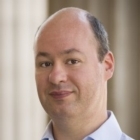
Dr Janos Kriston-Vizi
University College London
As the leader of the Bioinformatics Image Core facility at University College London, Dr. Kriston-Vizi is responsible for data analysis of Laboratory for Molecular Cell Biology’s high-content screening facility and general quantitative bioimage informatics. His career track record includes more than 10 years of high-content screening image analysis experience, engaging research at Kyoto University, Japan and at the Bioinformatics Institute A-STAR, Singapore. Focusing to high-content analysis, image processing with ImageJ and statistics with R software, Dr. Kriston-Vizi has authored more than 50 papers, 2 book chapters and he is teaching at Biomedical Sciences and Drug Design programs at University College London.
"Identifying new targets to inhibit airway remodelling through High Content Imaging"
-

Dr Elizabeth Rosethorne
University of Nottingham
Dr Elizabeth Rosethorne is a cellular and molecular pharmacologist with >10 years’ experience in Respiratory Drug Discovery within industry and academia. Her particular expertise lie in the use of phenotypic assays to identify targets for disease therapeutics and functionally characterise novel compounds in primary human cells. Her research focuses on the use of primary human cells and High Content Imaging approaches to understand the molecular mechanisms driving airway remodelling in chronic respiratory diseases. She also has particular interest in the differentiation between ligand, system and observational bias on a cell and molecular level.
"An Introduction to Image Analysis and Data Management High Content Imaging"
-

Dr Alex Sossick
University of Cambridge
Alex heads the Imaging Facility at the Gurdon Institute, which includes a variety of microscopy techniques including confocal, high throughput and deconvolution. He is keen to raise the level of microscopy understanding and application, and runs and takes part in various microscopy courses.
"The identification of new transition zone components using high-throughput siRNA screen"
-

Dr Katarzyna Szymanska
University of Leeds
I completed my Masters project in the Jagiellonian University in Krakow in 2007 and graduated with a degree in Biology with specialisation in Genetics and Developmental Biology. My Masters project included designing a forensic test to identify if DNA samples collected from a crime scene came from red-haired person. I joined Prof. Colin A. Johnson’s group in 2007 starting as a Research Assistant. We are interested in rare congenital conditions called ciliopathies where small hair-like structures called the primary cilium are affected. Ciliopathies are heterogeneous conditions and to date mutations in thirteen genes have been identified to cause the most severe ciliopathy, Meckel-Gruber syndrome (MKS). MKS is the most common syndromic cause of neural tube defects. We use multiple approaches to identify the remaining genes: autozygosity mapping in consanguineous families, whole exome sequencing, and the identification of functional candidates from a whole-genome reverse genetics siRNA screen. We are also interested in the function of proteins implicated in ciliopathies, and their localisation, particularly to sub-compartments of the cilium such as the transition zone. We use immunofluorescent confocal microscopy of model ciliated cell lines, gene over-expression, gene knockdown, qRT-PCR, as well as functional assays to determine function in known signalling pathways mediated by cilia such as the Wnt and Shh pathways and novel process involved in cilia structure and function such as ubiquitination and post-translational modifications.
Delegate Information
Registration Fee's:
£90 Student Rate
£130 Member Rate
£150 Non-Member Rate
Venue
Location: De Vere Jubilee Conference Centre and Hotel, Triumph Road, Nottingham, NG7 2TU
Sponsors
If you would like to sponsor this event, please contact Kate Jermey for more information.
-

Nikon UK Ltd
Nikon Instruments is a leading manufacturer in light microscopy and metrology solutions. With over 100 years’ experience in optical design and a strong core technology group, Nikon has become a truly iconic brand for all types of imaging.
Nikon’s philosophy is to meet needs and exceed expectations. We specialise in the development of optical products, building an unbeatable reputation for lens technology and precision optics. We pride ourselves on providing high contrast, high definition, and aberration free images.
Find out more about Nikon UK Ltd
www.nikon.co.uk and www.microscope.healthcare.nikon.com -

Olympus
Olympus supplies a complete range of microscopy instrumentation and related software including upright, inverted and stereo microscopes. From teaching laboratories to national research establishments, all types of users are catered for - with everything from lens tissues to specialised imaging systems and advanced microscopy techniques.
Olympus microscopes are recognised for their world leading optics, ensuring unbeatable image quality from standard techniques to laser confocal microscopy, TIRF and live cell imaging. While some Olympus products focus on configurability to specific applications, others aim to maximise simplicity and relisability in multi-user environments.
The product range also covers digital microscope cameras and virtual slide systems, together with imaging equipment and software for general and specialist applications across Life Science and Industry.
Find out more about Olympus
www.olympus.co.uk -

Thermo Fisher Scientific
At Thermo Fisher Scientific, we are committed to accelerating your science by providing a comprehensive suite of solutions for the analysis of cells and their function. Behind this commitment is an incredible team of scientists developing and supporting our innovative instrumentation and products such as the Invitrogen™ Attune™ NxT Flow Cytometer, Invitrogen™ eBioscience™ flow cytometry antibodies, and Invitrogen™ functional reagents. Our flagship products are designed to deliver high-performance results and save you time in the lab. From our extensive flow cytometry cell health reagent portfolio and everyday standards and controls to our Invitrogen™ eBioscience™ Super Bright antibody conjugates, let us help you find unique ways to support discovery of new biological insights.
Find out more about Thermo Fisher Scientific
www.thermofisher.com -

ZEISS
Carl Zeiss is an innovative technology leader in the fields of optics, precision engineering and electronic visualisation. Time and time again, we set new, pioneering standards in sophisticated technology for recognising, experiencing, measuring, analysing, structuring and processing a wide spectrum of objects. With professional optics we meet the expectations of even our most critical customers - not only in the fields of research, medicine, industry, but also for use in leisure activities.
Find out more about ZEISS
www.zeiss.com