ToScA 2017
ToScA 2017
This will be the 5th annual Tomography for Scientific Advancement (ToScA) symposium addressing hard and soft tissue imaging, understanding materials in 3D, recent advances in hardware and software, and a broad range of applications in tomography. This international symposium will consist of keynote speakers, student talks, student poster presentations and an image competition. The symposium provides opportunity for open discussions, networking with researchers and commercial industry as well as a platform to engage in collaborations.
Workshops will be taking place on 6 September and the symposium begins on 7 September.
Symposium Chair: Dr Farah Ahmed (NHM)
Symposium Co-Chairs: Professor Asa Barber and Dr Gianluca Tozzi (University of Portsmouth)
Information
Registration has now closed for ToScA 2017 in Portsmouth
Registration for the 2 day symposium includes attendance on 7 & 8 September, lunches and refreshments on 7 & 8 September and the Symposium Banquet on 7 September at HMS Warrior.
If you opt to take (or renew) RMS | ToScA membership with your registration to the symposium, registration will then include, workshops on 6 September, attendance on 7 & 8 September, lunches and refreshments on 7 & 8 September and the Symposium Banquet on 7 September at HMS Warrior and RMS | ToScA membership for 1 year.
Registration has now closed.
Find out more information on the RMS | ToScA membership.
Registration Fees are as follows:
Student (2 day symposium only) £160
Standard (2 day symposium only) £200
Student and to apply for RMS | ToScA Membership (3 days including free workshops on 6 September) £195
Standard and to apply for RMS | ToScA Membership (3 days including free workshops on 6 September) £295
Additional Registration Options
If you do not wish to take up membership you can add workshops to the student or standard membership rate for £60. This rate covers a full day attendance to workshops. You cannot opt to register for the workshops without attending the symposium. Please note that if you wish to attend for only half a day the rate will remain £60.
You can also opt to bring a guest to the symposium dinner on HMS Warrior for £70.
ToScA Bursaries for Students
The deadline for student bursaries has now passed. Four student bursaries will be awarded a maximum of £350 for registration and travel.
Provisional Programme
| Poster List |
|---|
| Mapping the radiation dose received by bone during X-ray microCT and its importance for imaging ancient remains, S Aldridge, Swansea University |
| New insights into Brassicaceae seed coat structure and function using synchrotron radiation X-ray tomographic microscopy (SRXTM), W Arshad, Royal Holloway University of London |
| Sample preparation and imaging strategy for microtomography of central nervous system tissues, A Bodey, Diamond Light Source |
| Automatic Diameter and Orientation Distribution Determination of Fibrous Materials in micro X-Ray CT Imaging Data, J Chiverton, University of Portsmouth |
| Joint assessment of soil hydraulic properties by constraining geoelectrical tomography measurements with X-ray Computed Tomography pore architecture information, M Cimpoiasu, British Geological Survey |
| Utilising 3D Xray to help identify gut mechanics and structure in marine wood boring organisms, E Clutton, University of Portsmouth |
| Approaches to 3D Printing of Teeth from X-Ray Microtomography, A Cresswell-Boyes, Queen Mary University of London |
| Direct Metal Laser Sintering of a Voronoi-based Biomimetic Bone Scaffold for Bone Tissue Engineering, M Curto, University of Portsmouth |
| Hydrogels silver nanowires for bone regeneration, A De Mori, University of Portsmouth |
| Laboratory X-ray computed laminography for planar object imaging, S Fisher, D Holmes, University of Manchester |
| Overcoming challenges in experiment and analysis for high resolution x-ray tomography of pharmaceutical beads, S Irvine, Diamond Light Source |
| Abrasion induced volume loss in teeth measured by X-Ray microcomputed tomography, A Kao, University of Portsmouth |
| Nanoindentation and digital volume correlation of trabecular bone, K Karali, University of Portsmouth |
| Integrated reconstruction, quantification and visualisation of solidification microstructures in 4D, D Kazantsev, University of Manchester |
| Neutron tomography on IMAT: Project Status and Future Plans, W Kockelmann, STFC-Rutherford Appleton Laboratory |
|
An X-ray CT derived 3D-printed ultrasound phase-interference compensator (UPIC) for reduced wave degradation through bone, C Langton, Queensland University of Technology, Australia |
| Correlative microfocus computed tomography and fluorescence microscopy of fixed human lung tissue, M Lawson, University of Southampton |
| Investigating the Micro Structure of Plant Leaves in 3D, with X-ray µCT, A Mathers, University of Nottingham |
| Correlative imaging to elucidate biological form and function: bio-inspiration from barnacle shells, R Mitchell, Swansea University |
| Visualising liver pathology of Schistosomiasis in mice using micro-CT, J O'Sullivan, University of Manchester |
|
Micro-computed tomography optimised for soft tissues: first steps towards early diagnosis of colorectal cancer, C Rossides, University of Southampton |
| Fracture mechanics of arthropod cuticle, D Sykes, University of Manchester |
| Collaborative Computational Project in Tomographic Imaging’s Core Imaging Library (CIL) Release, M Turner, University of Manchester |
| Low – Z materials and in-situ microscopic structural investigation with a three dimensional X-ray microscope: Nano3DX, P Vanden Branden, Scientific and Medical Products Ltd |
| Markov Random Fields for XCT image segmentation, J Warnett, University of Warwick |
| Evaluating Megalosaurus bucklandii: X-Ray Computed Tomography (XCT) as a tool for Heritage Conservation, P Wilson, University of Warwick |
Workshops
Please note registration for workshops has now closed.
Continuing on from the success of the workshops at ToScA 2016 in Bath, we are pleased to announce that the workshops will be a feature of the ToScA 2017 Symposium in Portsmouth. Workshops will be taking place on Wednesday 6 September.
Registration for those who have booked to attend workshops will take place at 0900 at the School of Engineering, Further details will be sent to delegates 2-3 weeks beforehand. The morning workshop sessions will start at 0930 hours and the afternoon workshop sessions will start at 1330 hours. A light lunch will be provided.
Confirmed Workshops
LaVision - Digital Volume Correlation (DVC) for volume strain mapping, defect detection, and crack tracing
Whilst people are familiar with X-ray CT and the ability to visualise features and structures in 3D, what’s often not realised is that you can take sequences of volume images and quantify the deformation of the material. The ability to calculate full volume displacement and strain maps from volume images utilises a technique called Digital Volume Correlation (DVC). DVC essentially correlates pattern or features within the greyscale of the image in order to track the material deformation. The features may occur naturally within the material (such as voids, cellular material, graphite nodules) or may be artificially introduced (such as tin powder mixed with aluminium). DVC gives the user the ability to identify material properties, strain hotspots, and crack initiation points, and provides a powerful tool for FEA validation.
In this half day course LaVision will introduce the concept of DVC and basis of the computation. We will give examples of applications and work through example datasets within the group. This short course is suitable for newcomers to DVC, or those who already have some experience.
This workshop is limited to 10 places only and has only one session taking place in the afternoon..
Amira-Avizo Software - Introductory Workshop - (morning session)
This workshop is an introductory course focusing on the advanced 3D visualization and analysis capabilities of Amira and Avizo software for exploring and understanding scientific and industrial CT data. Participants will be offered an overview to data visualization, image processing and segmentation, measurements and statistics, and other advanced set of functionalities.
Attendees will have the opportunity to use the software through a hands-on session, accessible to first-time users of Amira and Avizo.
This workshop is limited to 30 people and will be hosted by Thermo Fisher Scientific (formerly FEI).
Amira-Avizo Software - Meshing and Digital Volume Correlation Workshop - (afternoon session)
Participants will be offered the chance to try some of the latest features of Amira and Avizo software. Amira and Avizo provide advanced workflows to collaborate with FEA solvers. During this workshop, participants will use the software to perform data visualization, image processing, and prepare a 3D mesh suitable for FEA simulation. Attendees will be also able to try the latest Digital Volume Correlation (DVC) extension to compute the precise internal displacement and strain maps from 3D images of materials acquired during a deformation process (in situ experiments).
This workshop is limited to 30 people and will be hosted by Thermo Fisher Scientific (formerly FEI).
VGSTUDIO MAX Introductory Workshop - (morning session)
This workshop will introduce you to CT data analysis and visualization using VGSTUDIO MAX. Volume Graphics will present typical workflows which are of special interest for the scientific community for the fast and precise analysis of voxel data: you will accomplish the first steps of quantitative analysis options, segmentation, and visualization techniques. Use VGSTUDIO MAX to easily get the information contained in your data sets, whether acquired by laboratory X-ray CT, a synchrotron, with neutrons, or with another source. Use this special opportunity to speak personally with Volume Graphics experts!
VGSTUDIO MAX Segmentation & Analysis Workshop - (afternoon session)
This workshop will cover image segmentation and selected analyses available in VGSTUDIO MAX. Participants should be familiar with the basic operations of the software or have attended the VGSTUDIO MAX Introductory Workshop the same day. Volume Graphics will present typical segmentation tasks and solutions and give you tips and tricks for challenging multimaterial datasets. The second part of the workshop will be dedicated to selected quantitative analysis options. Take the chance to speak personally with Volume Graphics experts!
These workshops are limited to 30 people per session.
BlueScientific Bruker Skyscan workshop
BlueScientific will be bringing a Bruker 1275 microCT which with advances in scanning and reconstruction software can scan objects and produce a 3D rendering in as little as 5 mins.
We shall be running morning and afternoon sessions, limited to 15 people each, which are designed to be complementary to the other workshops running that day;
- Bring your sample prepared in the Specimen Prep in Earth Sciences session and take home a digital rendering you can show others using our free App running on a tablet.
- Produce a data file to take into the 3D printing from CT data workshop
- Generate data which can be taken to the Amira-Aviso workshop for further processing
- You may just have your own objects you with to scan. Bring them along.
Having applied for a place on the workshop we will forward you a sample request form and discuss your expectations ahead of time in order to have maximum efficiency on the day.
Samples can be up to 95mm in diameter and 120mm in length, energies from 20 to 100 kV and nominal resolution is 4 micron (pixel size at maximum magnification).
Specimen Prep in Earth Sciences - Amin Garbout (NHM, London)
X-Ray Micro-computed tomography (micro-CT), is being used by a rapidly increasing number of researchers in earth sciences. Due to its non-destructive nature, little or no preparation of samples is needed for micro CT scanning. However, a few guidelines should be observed to enable optimal data acquisition.
Thus, an overview will be provided of the different parameters to consider when scanning specimens of various size, density or composition (filtering, exposure, voltage…). This hands-on workshop will showcase a range of sample mounting techniques with a variety of earth science specimens. The workshop aims to address how good sample mounting practise contribute to increased data quality, addressing factors such as low noise and reduced artefacts.
This workshop will be run twice, a session in the morning and then repeated in the afternoon. There are 10 places available on this workshop in each session.
Microtomography for life sciences research - Brian Metscher (University of Vienna)
Applications of microCT in biological and biomedical research have expanded to include imaging of a wide variety of soft-tissue samples and other low-Z materials. Each different type of sample requires a different set of considerations for optimal imaging.
This workshop will introduce some methods for enhancing x-ray contrast in non-mineralised tissues and techniques for mounting biological samples for microCT imaging, especially embryos and other soft tissues, insects and other invertebrate specimens, and any samples of particular interest to the participants.
We will begin with some principles of x-ray imaging, discuss various types of samples and applications, and then work with your own interesting specimens.
This workshop will be run twice, a session in the morning and then repeated in the afternoon. There are 10 places available on this workshop in each session.
3D printing from CT data - University of Portsmouth
Additive layer manufacturing, commonly referred to as three-dimensional (3D) printing, shows significant potential in producing the complexity required for mimicking complex structures. At Portsmouth we are developing advanced 3D printing strategies employing multi-material technology to optimise morphological and mechanical performance of 3D structures captures using x-ray micro-CT. The aim of this workshop is to provide hands-on experience in the 3D modelling, meshing and printing of structures. An emphasis will be placed on biological structures, particularly bone, but the techniques developed in the workshop will be useful for a broad range of samples.
This workshop will be run twice, a session in the morning and then repeated in the afternoon. There are 10 places available on this workshop in each session.
Event Information
Accommodation
University of Portsmouth are offering preferrential rates to ToScA attendees. Bed and Breakfast is £45 per night, please visit University of Portsmouth's accommodation webpage. Please book before Thursday 31 August.
There are alternatives available locally including the Ibis Portsmouth Central and Holiday Inn.
Abstract and Image Competition Submission has now closed.
If you have any queries please contact Kate Wooding.
Venue and Travel
The two day symposium will be held in: The Portland Building, Portland Street, Portsmouth, PO1 3AH
By Train
If travelling from London there are services from both London Waterloo, and London Victoria. Services also run from Bristol and from South Wales. In addition, there are frequent South Coast services to Southampton, Bournemouth and Brighton. Should you decide to take the train, the venue is only a 10 minute walk from Portsmouth & Southsea train station.
By Air
Southampton International Airport is just 30 minutes by road to The Portland Building, however you may find a greater selection of flights if you travel to Heathrow or Gatwick Airport.
By Car
Due to extremely limited parking availability, we would encourage you to use public transport where possible. If however you do decide to drive, the nearest public car park is Gun Wharf Quays- which is about a 10 minute walk away.
Portsmouth’s park-and-ride, located on the M275 at the entrance to the city, is also an option for travel into Portsmouth. It only costs £4 per vehicle and buses leave every 12 minutes.
Journal of Microscopy
We are pleased to announce that we intend to produce a special issue of the Journal of Microscopy from selected submissions to the ToScA Portsmouth Symposium.
A selection panel will invite contributors to submit a full paper to the Journal. If invited you will have approximately three months to complete your submission.
Invited Speakers
Earth & Space
Tomographic mapping of the Universe
-
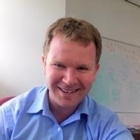
Dr David Bacon
University of Portsmouth
David Bacon is a Reader in Cosmology at the Institute of Cosmology and Gravitation, University of Portsmouth. After his PhD research in Cambridge, he has held research fellowships in Edinburgh and Portsmouth. His interests include mapping the Universe, cosmology at radio wavelengths, gravitational lensing and theories of gravity.
Tomography-based Computational Modelling
CT-based bone strength prediction: from human to mice
-
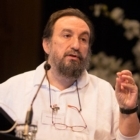
Prof Marco Viceconti
University of Sheffield
Marco Viceconti holds the chair of Biomechanics at the Department of Mechanical Engineering of the University of Sheffield, UK, and serves as Executive Director of the Insigneo Institute for in silico Medicine, a joint initiative of the University of Sheffield and the Sheffield Teaching Hospital NHS Foundation Trust. He is also professor associate in the department of Oncology and Metabolism. Prof Viceconti is an expert of musculoskeletal biomechanics in general, and in particular in the use of subject-specific modelling to support the medical decision. He is one of the key figures in the Virtual Physiological Human (VPH) community: he is the President of the VPH Institute, an international no-profit organisation that coordinates this research community, and has recently concluded the coordination of the Avicenna action, which road-mapped the emerging topic of “in silico clinical trials”, where subject-specific modelling is used in the development and assessment of biomedical products.
4D Tomography & Related Techniques
Mechanics-based 4D tomography
-
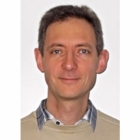
Prof Francois Hild
LTM-Cachan
François Hild is a Research Professor at the Laboratory of Mechanics and Technology in Cachan (France). He received his PhDs in Mechanical Engineering from the University of Paris 6 in 1992 and from the University of California in 1995, and his habilitation from the University of Paris 6 in 1998. His research interests include advanced experimental techniques, digital image and volume correlation, identification and validation procedures for material models.
Life Sciences
From whole animals and micromorphology to cell types and molecular probes: MicroCT as a new standard tool in bioscience research
-
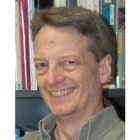
Dr Brian Metscher
University of Vienna
Following bachelor's work in applied physics at Caltech and a first career as a research engineer at NASA/JPL, Dr. Metscher completed his Ph.D. in the then-new interdiscipline of evo-devo at the University of California, Irvine. He did postdoctoral research on the development and evolution of appendages and teeth at The Natural History Museum (London) and Penn State University, and then served five years as an Assistant Professor in southern Indiana. During the summers he carried out research at Yale University and came to the University of Vienna in 2006, to set up the imaging lab in the Theoretical Biology Department where he is now Senior Scientist. Dr. Metscher helped to establish X-ray microtomography as an essential method for imaging ex vivo biological samples, especially embryos and invertebrates. His lab is developing new and refined sample preparation and imaging methods, with applications including molecular imaging and imaging of specific cells types.
Healthcare
Human tooth micro anatomy and root canal treatment failure: insights by X-ray phase contrast enhanced microCT
-
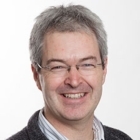
Dr Paul Zaslansky
Universitätsmedizin Berlin
Dr. Paul Zaslansky is a research scientist in the Department for Restorative and Preventive Dentistry of the dental school of the Charité Universitätsmedizin Berlin and a senior researcher in the Julius Wolff institute for Biomechanics and Musculoskeletal Regeneration of the Charité Universitätsmedizin Berlin of the Berlin-Brandenburg Center for Regenerative Therapies. He graduated as D.M.D from the Hebrew University - Hadassah School of Dental Medicine in Jerusalem in 1991 and initially worked as a dental surgeon focusing on composite restorative dentistry for more than a decade, before turning to an academic career. He completed his PhD in the Department of Structural Biology of the Weizmann Institute of Science in 2005 followed by post-doctoral training in the Biomaterials department of the Max-Planck Institute of Colloids and Interfaces in Potsdam, Germany.
Zaslansky’s research centers on understanding structure-function relations in mammalian teeth and bones, with a strong emphasis on non-contact and non-destructive imaging and in-situ mechanical testing. For this he has combined classical microscopy with phase-contrast imaging by laser-speckle interferometry (ESPI) and high-resolution X-ray phase-contrast enhanced tomography. His work combines structural investigations using materials-science approaches with surface deformation real-time visualization and sub-micron volume imaging of the collagen-based composites in teeth and bone.
Cultural Heritage and Public Engagement
3D Museums: tactile learning, greater access
-
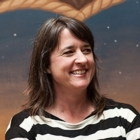
George Oates
Museum in a Box Ltd
George Oates is am award-winning designer who’s worked on and around the web since 1996. She was the first designer of Flickr, and invented the innovative Flickr Commons programme, to help public institutions share their photography collections with the Flickr community.
She specialises in friendly, simple interaction design, and, after moving to London from San Francisco in 2014, has started two companies: Good, Form & Spectacle, a small but mighty digital agency focussed on experimental software development for the cultural heritage sector, and Museum in a Box, a tactile, fun, interactive edtech product company whose main goal is to increase access to cultural heritage collections.
Sponsors
Associate Sponsor
CCPi are generously sponsoring the Poster Session at ToScA.
Platinum Sponsors
-

ZEISS
Carl Zeiss is an innovative technology leader in the fields of optics, precision engineering and electronic visualisation. Time and time again, we set new, pioneering standards in sophisticated technology for recognising, experiencing, measuring, analysing, structuring and processing a wide spectrum of objects. With professional optics we meet the expectations of even our most critical customers - not only in the fields of research, medicine, industry, but also for use in leisure activities.
Find out more about ZEISS
www.zeiss.com

Gold Sponsor
-

FEI
See beyond with FEI's leading edge SEM, TEM, ESEM and DualBeam™ solutions. Our 60 year history of pushing the boundaries of microscope innovation has resulted in instruments delivering sub-nm SEM and sub-Å TEM resolution. Whatever your application in materials or life sciences, FEI delivers the highest performance solution, and puts you at the center of a global community of leading researchers and scientists.
Find out more about FEI
fei.com
Silver Sponsors
-

DEBEN UK Ltd
Deben are a UK precision engineering company specialising in the field of in-situ tensile testing, motion control and specimen cooling for microscopy applications. Established in 1986 and named after a Suffolk river, Deben now operate from a large, modern business unit in Woolpit near Bury St. Edmunds in Suffolk. The product groups are motor control systems, in-situ micro-tensile stages, Peltier heating & cooling stages, detectors for SEMs and electro-static beam blankers. The company also makes custom and OEM versions of these products to specifically meet customer requirements.
Deben provide consultancy, design and prototype manufacturing services. In house facilities include SolidWorks and SolidEdge 3D CAD and COSMOS finite element analysis software, CNC machining, electronics design and manufacture and software design using Visual C++, Microsoft.net and DirectX. Utilising these resources and experience, Deben manufacture products for OEMs and end users in the UK and overseas.
Deben UK Ltd. is a subsidiary company of UK based Judges Scientific plc. For details on Deben and all its products & solutions, visit www.deben.co.uk.