
Confirmed Speakers
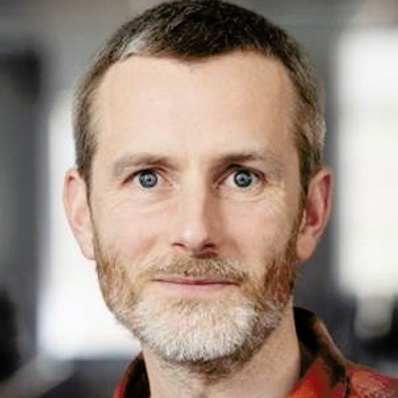
Oliver Burton
I got my PhD at the University of Cambridge, studying the ability of microbial products to modulate autoimmune diabetes under the supervision of Prof. Anne Cooke. I fell in love with flow cytometry and spent quite a bit of time with Nigel Miller, the head of the flow core facility. After that, I began my post-doctoral studies with Dr. Hans Oettgen at Boston Children’s Hospital in Boston, Massachusetts, USA. In my post-doctoral work, I focused on the aetiology and treatment of food allergies, working primarily with mouse models. In 2017 I joined Adrian Liston’s lab, at the time in Leuven, Belgium, where I was employed to develop high throughput high parameter flow panels for the analysis of tissue-resident Tregs and brain-resident immune cells. In 2019, the lab moved to the Babraham Institute in Cambridge, England where I was employed as a staff scientist, and in 2023, the lab moved again to the Department of Pathology at the University of Cambridge. In my day-to-day work, I focus on training people in best practices in flow cytometry, developing new panels and techniques for our experiments, and I work closely with bioinformaticians to develop new ways of getting meaning our of cytometry data.
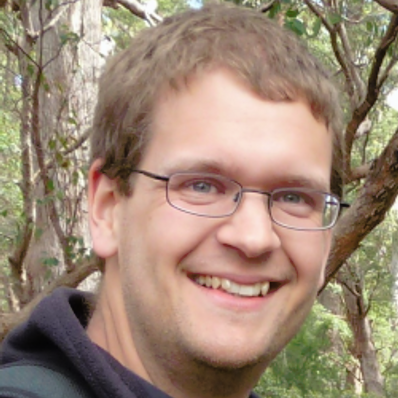
Alistair Droop
Dr Alastair Droop leads the Data Science group at the University of York Technology Facility, bringing over 20 years of experience at the intersection of computer science, biology, and mathematics. A computational biologist by training, he has published across diverse fields, including artificial life and oncology. His team provides tailored support and training to academia and industry, bridging the skills gap between data science and life sciences. With over 15 years of experience in scientific software development, Alastair has worked with languages like R, Python, and Rust, gaining insight into the challenges researchers face when coding for their projects. He also has more than 15 years of teaching experience, training students and professionals in computational biology, software development, and machine learning. Under his leadership, the Data Science group specialises in bioinformatics, big data analysis, AI, and software development, supporting cutting-edge research and innovation.
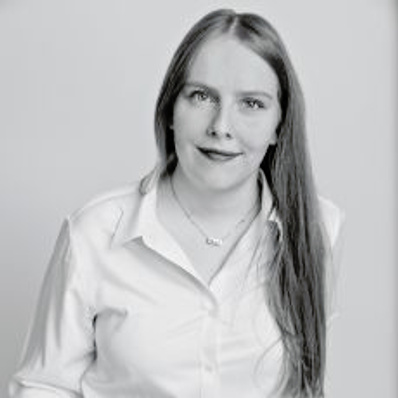
Astrid Fabri
Astrid Fabri is a Research Fellow in Professor Lucy Walker’s laboratory at University College London. She earned her joint PharmD and Master’s in Translational Immunology from Université Claude Bernard Lyon 1 and Sorbonne Université, before joining UCL to complete her PhD as a Marie Curie Fellow. Her research bridges wet-lab expertise and computational biology to analyse pancreas-infiltrating T cells.
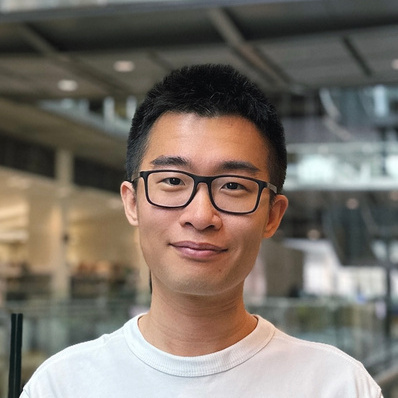
Baizhi (Tony) Chen
Tony is currently a Postdoctoral Researcher at the Barts Cancer Institute. During his PhD at the Francis Crick Institute, he investigated the physiology and lymphomagenesis of germinal centre B cells. In this talk, he will share his experience developing a workflow on the SONY ID7000, leveraging its high degree of customisability and autofluorescence removal capabilities to characterise a niche-labelling mouse model. His work highlights the value of context-specific instrument optimisation and the unconventional application of full-spectrum flow cytometry.
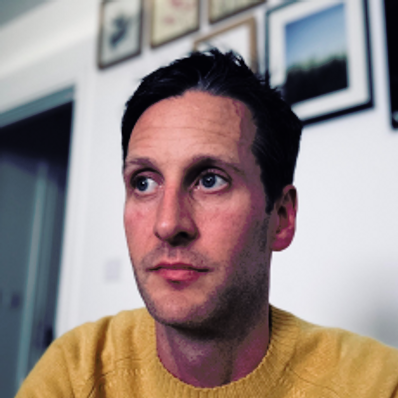
Lucas Black
Lucas Black is a Team Lead for High Throughput Flow Cytometry at UCB, where he has spent the past year leading and advancing flow cytometry screening capabilities. His scientific background spans flow cytometry, high‑dimensional data analysis, and the application of AI‑driven tools to improve multiple aspects of cytometry workflows. He has extensive experience developing complex clinical spectral flow panels, including validated 28‑colour and 35‑colour panels, with a particular focus on dense marker expression on single cell types. Prior to joining UCB, Lucas worked at Achilles Therapeutics (2021–2025) and Imperial College London (2016–2021).
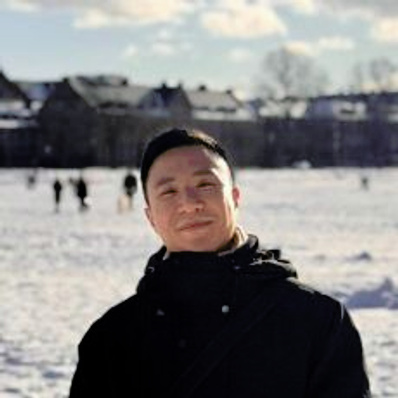
Seng Kuong Anakin Ung
Anakin is a PhD student at the UCL Cancer Institute, supervised by Dr. James Reading and Professor Maxine Tran. His research explores how renal cancer reshapes the systemic immune system, aiming to leverage peripheral immune signatures to build multi-omic models for early cancer detection. Anakin is particularly interested in the development of tertiary lymphoid structures and the specific role of B cells in carcinogenesis. He holds an MSc in Immunology from Imperial College London and has extensive experience in deep immunological phenotyping from his previous work on Influenza and HIV-1
More to follow soon.