Scientific Organisers: Derek Davies, Francis Crick Institute, Rachael Walker, Babraham Institute, Cambridge and Rebecca Roberts, Babraham Institute, Cambridge
The one day flowcytometryUK 2019 Meeting will take place in Cambridge highlighting the diverse areas in which cytometry is a vital resource. There will be scientific presentations from a number of speakers interspersed with commercial flash presentations. A commercial exhibition will allow delegates to see recent developments in the field. The meeting also offers a great opportunity to network with fellow cytometrists in a relaxed and informal environment.
This meeting was formerly known as the Advances in Cytometry Meeting.
Provisional Programme
Scientific Organisers and Invited Speakers
Invited Speakers
Prospective isolation of human epithelial stem/progenitor cells for long term in vitro expansion
-

Paola Bonfanti
The Francis Crick Institute
Paola graduated in Medicine and Surgery from the University of Milan and subsequently moved to the Sanford-Burnham Institute in La Jolla, California where she worked on differentiation of human embryonic stem cells. In 2008 she completed her PhD at the EPFL in Lausanne with a work demonstrating the plasticity and stemness of thymic epithelial cells. In 2010, she obtained an EMBO Long Term Fellowship and moved to the Diabetes Research Centre in Brussels to work on pancreas regeneration. In 2011 Paola was awarded a Young Investigator Award in Innovative Therapy for Diabetes (EFSD/JDRF/Roche) and during her period in Brussels she contributed to several publications focusing on potency of expandable pancreatic progenitors and plasticity of adult cells. In 2013 Paola was awarded a UCL-Rosetrees Excellence Fellowship to pursue her interest in epithelial stem cell biology and regenerative medicine at UCL. In 2015 she obtained a Starting Grant from the European Research Council (ERC) for her project on thymus biology and in 2017 she joined the Francis Crick Institute as a group leader.
Flow Cytometry in Characterization of Advanced Therapeutic Cellular Products – Analysis of Living Medicines
-

John Campbell
Scottish National Blood Transfusion Service
Professor John Campbell is Associate Director of Tissues, Cells and Advanced Therapeutics at the Scottish National Blood Transfusion Service (SNBTS) in Edinburgh. He completed his PhD in Pathology at Edinburgh in 1995, and has worked in the cellular therapy field for over 25 years in the academic, industrial and healthcare sectors. Whilst working in industry, he was heavily involved in development of reagents and equipment to drive manufacture and characterization of cellular therapeutics. He is currently the national head of research for SNBTS and holds academic appointments at the Universities of Glasgow and Edinburgh. SNBTS has a substantial cellular therapy research and manufacturing programme, with over 80 full time scientists working on basic cellular function; translation of laboratory protocols to full GMP processes; and manufacturing of tissue and cellular therapeutics. SNBTS has a two fully MHRA licensed, GMP cellular therapy production centres at the Scottish Centre for Regenerative Medicine and the Jack Copland Centre, Edinburgh. SNBTS also runs a fully MHRA-accredited Flow Cytometry lab for characterization of cellular products. Cellular therapeutics in development and early phase clinical trials include, mesenchymal stromal cells, corneal limbal stem cells, macrophages for tissue repair and virus-specific T Lymphocytes for the treatment of tumours.
Flow Cytometry Medal Winner
A decade of being obsessed about my image in cytometry
-

Dr Andrew Filby
Newcastle University
Dr Filby is currently head of the Flow Cytometry Core Facility at Newcastle University. He leads a dedicated team of flow cytometry specialists/researchers with the sole aim of providing a comprehensive, cutting edge cytometry resource to the wider research community at Newcastle University and beyond. A significant part of his focus is the development of novel cytometry-based techniques that have underpinned several high profile publications in journals including Science (2012/2017) and Cell (2013. He also received the Cytometry Part A paper of the year accolade in 2011 for developing an unbiased approach for assessing if asymmetric division plays a role in the immune system. He specialises in Imaging Flow Cytometry and the use of fluorescence dyes to track cell proliferation, with a particular interest in machine and deep learning approaches for cytometry data analysis. Dr Filby is also an International Society for the Advancement of Cytometry (ISAC) Shared Resource Laboratory Emerging Leader (SRL-EL) and is heavily involved in a number of educational initiatives for cytometry at both national and international levels.
Phenotypic drug discovery using flow cytometry
-
Rob Jepras
GSK
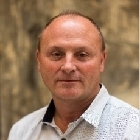
Dr Rob Jepras has worked in and led several research teams in both industry and public health. He has spent over 20 years at GSK in the UK working in both Drug Development and Drug Discovery supporting both product development and drug research. Rob currently works in Screening, Profiling and Mechanistic Biology, Medicinal Science and Technology, leading drug discovery and capability projects and supporting pre- candidate drug discovery. Recent work focuses on using high content multi parametric microscopic technologies for phenotyic screening using human disease relevant systems, and the develpoment of microscale technologies (microfluidics/nanowells) to enhance drug discovery efforts.
Establishing a Spectral Cytometry Analysis Workflow for Core Users
-

Shonna Johnston
University of Edinburgh
Shonna Johnston is the manager of the QMRI Flow Cytometry and Cell Sorting Facility at the University of Edinburgh (UoE). Previously, she held technical positions in the Clinical Pharmacology Unit, UoE and the Protein Fractionation Centre of the Blood Transfusion Service performing immunoassays and various biochemical measurement techniques to high levels of GLP. This was followed by a move to the MRC Centre for Inflammation Research, UoE where she managed a tissue culture lab and developed in-house production of fluorescently conjugated antibodies. Validation of these antibodies led to her first experiments utilising flow cytometry and in 2000 she transferred to the Centre’s Flow Cytometry Lab as the sole cell sorter operator and flow cytometry specialist. She has since overseen the lab’s development through to it’s current status as a key core facility within the college, employing 3 members of staff and supporting the institutes 450 researchers and the local scientific community.
Getting the most out of Flow Cytometry: a novel solution to the compensation problem
-
Adrian Liston
Babraham Institute
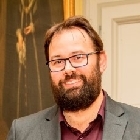
Adrian Liston is Senior Group Leader at the Babraham Institute, Cambridge. His PhD research was on T cell tolerance and diabetes with Professor Chris Goodnow at the Australian National University, followed by post-doctoral research on regulatory T cell biology with Professor Sasha Rudensky at the University of Washington. From 2009-2018, Liston ran his independent laboratory and founded two core facilities, on flow cytometry and CrispR, at the VIB and the University of Leuven, in Belgium. In 2019, Liston relocated his research team to the Babraham Institute, in Cambridge, UK.The Liston laboratory currently works on understanding the interaction between the immune system and the tissues. The laboratory has previously worked on autoimmune genetics, diabetes, primary immunodeficiencies, the thymus and regulatory T cells. Adrian Liston has been awarded the Francqui Chair, Eppendorf prize and two ERC grants, among other honours.
Analysis of chromosomes on conventional flow cytometers
-

Bee Ling Ng
Wellcome Sanger Institute
Bee is the Head of Cytometry Core Facility at Wellcome Sanger Institute in Cambridge. She leads a team of flow cytometry specialists who dedicate their time and efforts in helping and assisting their researchers in their flow cytometry experiments. Her research interests includes improving the data resolution of chromosome analysis in cell lines with complex karyotypes and sorting of chromosomes with high purity, isolation of human artificial chromosomes as well as micro-chromosomes by using flow cytometric techniques.
Understanding systemic immune responses in glioblastoma patients with the help of mass cytometry
-
Juan Garcia Vallejo
Amsterdam University Medical Centre
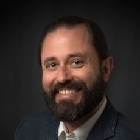
Juan J. Garcia Vallejo was born and raised in Southern Spain, Juan developed a keen interest in Biomedical Research since an early age. Soon after he started his Medical studies, he joined the Department of Biochemistry, Molecular Biology, and Immunology of the University of Malaga as an intern student and collaborated in multiple projects in the field of autologous blood transfusions. Upon completion of his medical degree, Juan moved to Amsterdam, to continue his career as a technology-minded immunologist with a strong interest in methodological developments for the the measurement of immune responses, as well as translational questions in the field of cancer immunology. Recently, Juan completed a healthcare-oriented MBA program with a capstone project on Core Facility Management. Next to his obligations as Associate Professor at the Department of Molecular Cell Biology & Immunology of the Amsterdam UMC – Location VUmc, he is also Scientific Director of the Microscopy and Cytometry Core Facility.
Scientific Organisers
-

Mr Derek Davies
The Francis Crick Institute
Derek is the National Science Technology Platform (STP) Training Lead at the Francis Crick Institute in London where his role is to develop Educational and Training courses to support Biomedical Research in the UK and beyond. He co-organises the section’s annual flow cytometry course at the University of York and is active in promotion of cytometry via focussed meetings and other courses. He is one of the principal organisers of the flowcytometryUK biennial meeting and also the Advances in Cytometry Meeting. Derek is particularly keen to promote cytometry education within the UK and beyond. -

Rebecca Roberts
Babraham Institute
Rebecca studied Biochemistry at the University of Southampton before completing her PhD in Molecular Biology from the University of Cardiff. Post-doc projects encompassing gene regulation in macrophages and analysis of apoptosis in cancer cell lines led her to an interest in flow cytometry. As a Flow Cytometry Specialist at the Babraham Institute Flow Cytometry Core Facility, she works on all aspects of cell sorting, analysis and training.
Delegate Information
Registration has now closed.
Registration Fees
RMS Member £120
Non-member £145
Student £95
For those registered an email will be sent to you two to three weeks before the event with final details.
Accommodation
We would recommend you book your accommodation as soon as possible as the rates of rooms are already increasing. We would suggest the following hotels: Hotel ibis Cambridge Central Station, Travelodge Cambridge Central, Travelodge Cambridge Newmarket Road, Premier Inn Cambridge City East Newmarket Road, Holiday Inn Express Whittlesford, Red Lion Whittlesford
Venue and Travel
The one day flowcytometryUK Meeting 2019 will take place at the Babraham Institute, Cambridge Building, Babraham Research Campus, Babraham, Cambridge CB22 3AT. It is situated approximately 10 km south west of central Cambridge.
Plane: The nearest airport is London Stansted (35km south). There are direct rail links to Cambridge.
Train: We recommend Cambridge Station (9km north). Whittlesford Parkway (7km west) is also nearby but has fewer services. The King's Cross line runs through Cambridge and the Liverpool Street line runs through Whittlesford Parkway.
Bus: The Stagecoach 13(A/B/C) route runs approximately every 30 minutes from Cambridge and Hills Road (near Cambridge Station).
Car: It is approximately a 20 minute drive from the centre of Cambridge. Free onsite parking is available. Please note if you are driving you must come through the main gate on the A1307 and not through the old entrance via Babraham Village, which sat navs often direct cars to.
Taxi: A taxi from Cambridge or Cambridge Station will typically cost £20-£25.
Cycle: There is now a cycle route from Cambridge which takes about 40 minutes.
Exhibitors and Sponsors
There will be an exhibition at this meeting. If you are interested in exhibiting or sponsoring this event please contact Hallie Martin.
-

BD Biosciences
BD Biosciences is a world leader in bringing innovative diagnostic and research tools to life science researchers, clinical researchers, laboratory professionals and clinicians who are involved in basic research, drug discovery and development, biopharmaceutical production and disease management. The BD Biosciences segment is focused on continually advancing the science and applications associated with cellular analysis.
Find out more about BD Biosciences
www.bdbiosciences.com -

Luminex Corporation
At Luminex, our mission is to empower labs to obtain reliable, timely and actionable answers, ultimately advancing health. We serve the needs of our customers in diverse markets including clinical diagnostics, drug discovery, life science research, immunology, and personalized medicine. Our goal is to transform global healthcare with innovative instruments and assays that deliver cost-effective results to clinicians and researchers. The flexible and open-architecture design of our xMAP® Technology is used in a wide variety of applications, from academic and clinical research to biodefense and clinical diagnostics. Our xTAG®, MultiCode® and NanoGrid technologies support a wide range of clinical applications, including infectious disease testing and genetics, providing exceptional sensitivity and specificity, unmatched throughput flexibility, and speed. Our innovative Amnis® and Guava® Flow Cytometers provide complete solutions to advance life science discovery, process quality, and clinical monitoring. Through these technologies and the expertise of Luminex employees worldwide, we envision a Luminex solution in every lab around the world seeking to obtain timely and confident answers.
Find out more about Luminex Corporation
www.luminexcorp.com -

Miltenyi Biotec Ltd
Miltenyi Biotec is a global provider of products and services that advance biomedical research and cellular therapy. Our innovative tools support research at every level, from basic research to translational research to clinical application. This integrated portfolio enables scientists and clinicians to obtain, analyse, and utilize the cell. Our technologies cover techniques of sample preparation, cell isolation, cell sorting, flow cytometry, cell culture, molecular analysis, and preclinical imaging. Our 30 years of expertise spans research areas including immunology, stem cell biology, neuroscience, and cancer, and clinical research areas like haematology, graft engineering, and apheresis. In our commitment to the scientific community, we also offer comprehensive scientific support, consultation, and expert training. Today, Miltenyi Biotec has 2,500 employees in 28 countries – all dedicated to helping researchers and clinicians around the world make a greater impact on science and health.
Find out more about Miltenyi Biotec Ltd
www.miltenyibiotec.com -

Sony Biotechnology
Sony Europe BV is dedicated to helping the scientific community, researchers, laboratory professionals, and institutions achieve the best scientific results possible. By leveraging Sony’s comprehensive expertise in electronics innovation and design and with our technological assets we are accelerating development of next-generation cell analysis systems. We bring a unique perspective to science’s high-level instrumentation and are creating innovative products to address our customer’s challenges.
Find out more about Sony Biotechnology
www.sonybiotechnology.com -

Sysmex UK
Sysmex UK has grown to become one of the UK’s leading diagnostic/research/industrial suppliers with a reputation for high quality products, service and reliability. Our flow cytometers and fluorescent microscopes provide market-leading diagnostics and research to laboratories across the UK and Ireland.
Since our formation in 1991, Sysmex have developed strong lasting relationships with our customer base derived from the excellence delivered through prestigious training, service and support.
The Sysmex value added services provide our customers with a personalised, tailored approach; whether you require standalone solutions or a fully integrated managed service agreement.Find out more about Sysmex UK
www.sysmex.co.uk -

Thermo Fisher Scientific
At Thermo Fisher Scientific, we are committed to accelerating your science by providing a comprehensive suite of solutions for the analysis of cells and their function. Behind this commitment is an incredible team of scientists developing and supporting our innovative instrumentation and products such as the Invitrogen™ Attune™ NxT Flow Cytometer, Invitrogen™ eBioscience™ flow cytometry antibodies, and Invitrogen™ functional reagents. Our flagship products are designed to deliver high-performance results and save you time in the lab. From our extensive flow cytometry cell health reagent portfolio and everyday standards and controls to our Invitrogen™ eBioscience™ Super Bright antibody conjugates, let us help you find unique ways to support discovery of new biological insights.
Find out more about Thermo Fisher Scientific
www.thermofisher.com