
Invited Speakers


Early Career Award Shortlisted Speakers

Liam Rooney
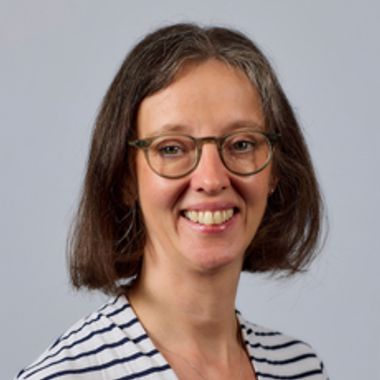
Georgina is the Project Officer for the community network BioImagingUK, an open organisation of UK scientists that develop, use, or administer imaging solutions for life science research.

Dr. George Heath is a University Academic Fellow at the University of Leeds in the School of Physics and Astronomy and School of Biomedical Sciences. His PhD work with Prof Stephen Evans and Dr Simon Connell investigated a range of lipid membrane and protein systems using atomic force microscopy (AFM) including actin assembly at membranes, protein diffusion and lipid phase behaviour. He remained in Leeds to perform postdoctoral research, moving across to the School of Biomedical Sciences to work with Prof Lars Jeuken designing bottom up approaches to mimic multi-layered membrane protein systems to understand the biological processes and exploit their properties for biotechnology applications. He then completed a second postdoctoral position in New York working with Prof Simon Scheuring at Weill Cornell Medicine of Cornell University. Here he developed and applied new high-speed AFM methods to study membrane proteins before returning to Leeds in 2019 to start an independent position as University Academic Fellow. His current research focuses on further developing high-speed AFM techniques to study the structural dynamics of complex single biomolecules on the sub nanometre scale to increase our understanding of diseases and improve medicine.


Liam is a Post-doctoral Research Associate at the University of Strathclyde, Glasgow. Liam has a background in mammalian cell and molecular biology but developed his skillset as an optical microscopist and microbiologist during his PhD. Since 2016, Liam has focussed his research on the development and application of optical microscopy methods to study how bacteria interact with each other and their environment. His research involves various bacteriological phenomena; from understanding bacterial gliding motility, visualising colonisation behaviours using transparent soil, observing nutrient transport channels in bacterial biofilms, and super-resolution imaging of bacterial and fungal cell-to-cell interactions. Liam’s current research focuses on developing open microscopy solutions for the life sciences.