
Michael Abercrombie was a pioneer in the field of investigating cell behaviour using timelapse microscopy and this series of meetings, held only every five years offer an excellent opportunity to review the major advances in our understanding of cell motility and look to the new emerging concepts in the field.
Scientific Organisers
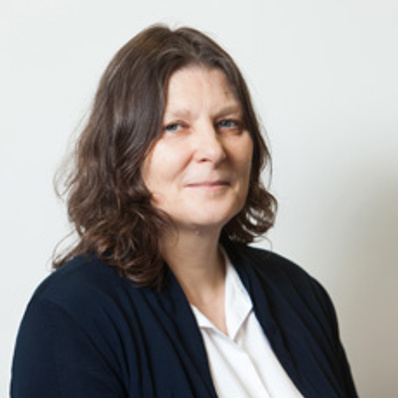
Michelle Peckham
Michelle is Professor of Cell Biology in the Faculty of Biological Sciences. She obtained a BA in Physiology of Organisms at the University of York, and a PhD in Physiology at University College London. She moved to King's College London, and started to use a specialised form of light microscopy (birefringence) to investigate muscle crossbridge orientation. She then worked at UCSF, San Francisco for a year, where she used fluorescence polarisation to investigate muscle crossbridges. She moved back to the UK, to the University of York, to work on insect flight muscle. In 1990 she was awarded a Royal Society University Research fellowship, based at King's College London, and began working on the cell and molecular biology of muscle development, and started to use live cell imaging to investigate muscle cell behaviour in cultured cells, and confocal microscopy to investigate their cytoskeleton. She collaborated with Graham Dunn to use Digitally Recorded Interference Microscopy with Automatic Phase Shifting (DRIMAPS) to investigate cell crawling behaviour. She moved to Leeds in 1997 as a Lecturer, and has continued to use a wide range of both light and electron microscopy approaches to investigate the molecular motors and the cytoskeleton.

Claire Wells
Claire's laboratory is interested in how cancer cells are able to dissociate from the primary tumour, invade the surrounding tissue and subsequently metastasise to distal sites. They use a lot of microscopy in the work, including confocal, TIRF and FRET in addition to live cell imaging to investigate the role of PAK family kinases in cancer cell migration, adhesion and invasion.
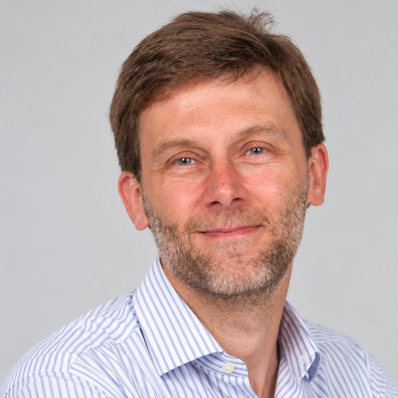
Robert Insall
Mathematical and Computational Cell Biology at the University of Glasgow
A student of chemotaxis for thirty years, Robert Insall did his PhD in the MRC Laboratory of Molecular Biology, a postdoctoral stint in the Johns Hopkins Medical School, then returned to the UK to set up a lab in UCL’s Laboratory of Molecular Cell Biology with a Wellcome Trust Career Development fellowship. He then moved to Birmingham as Professor of Cell Biology and MRC Senior Fellow, before transferring to Glasgow. Recent work has combined mathematical and computational modelling with experimental biology
RMS Contacts

Alessandra Reni
alessandra@rms.org.uk
+44 (0) 1865 254779
Contact Alessandra for RMS Event enquiries.

Nick Cameron
nick@rms.org.uk
+44 (0) 1865 254772
Contact Nick for exhibition and sponsorship event queries and RMS Corporate Membership.