
We are delighted to announce our 2026 invited speakers
Nathan Day
Francisco de la Pena
Jacob Lamb

Steven Lee
Jodie Malcolm
Periklis (Laki) Pantazis

Emilie Ringe
Ilaria Testa
Kang Nee Ting
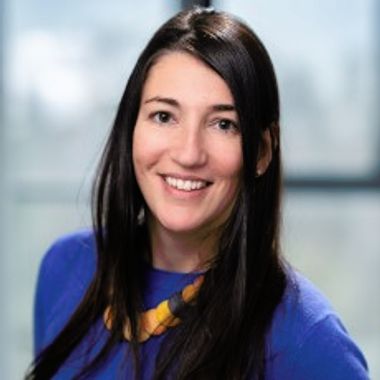
Ilaria Testa is a Professor in Applied Physics at the SciLifeLab, the Unit of Biophysics at KTH Royal Institute of Technology.
She performed her PhD between 2006 and 2009 working on the use of Photoswitchable Fluorescent Proteins for functional analysis in living cells. Between 2009-2014 she worked as a Postdoc Researcher in the laboratory of Professor Stefan Hell co-pioneering RESOLFT nanoscopy and multi-parameters single molecule imaging.
In the last ten years she established an advanced imaging laboratory at the Science for Life Laboratory, at the Royal Institute of Technology (KTH, Stockholm, Sweden). Her research group works at the interface of physics, chemistry and neuroscience to investigate the complex principles underlying protein-protein interaction and dynamics in cells and tissues. They are fascinated by the transient nature of fundamental biological process such as synaptic transmission which is enabled by molecules moving rapidly and timely within the intricate synaptic environment. These studies are enabled by new technologies: light patterning, sample-adaptive acquisition and imaging scheme based on photo-switching probes pushed the biological imaging from mere screenshots to movies. Recently, she demonstrated event-triggered microscopy to capture elusive cellular events at high resolution and STARSS, an approach to measure rotational dynamics of cellular complexes to detect molecular condensates.
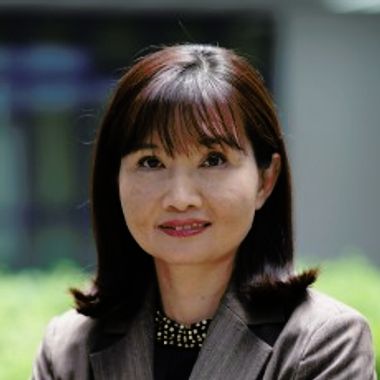
Kang Nee is the Head of School at UNM for the School of Pharmacy and Division of Biomedical Sciences. In 2017 she applied for some funding from the University of Nottingham to undertake outreach work from the University of Nottingham campus in Malaysia (UNM). The RMS donated a microscope activity kit in support of this ambition. Initially she hosted successful school visits to UNM and following this, expanded the reach to local schools and education centres (for refugee students) in Greater Kuala Lumpur and Selangor.
Spurred on by this success, Kang Nee continued to reach out using microscopy as a means of providing education and opportunities to underserved communities in Malaysia far from the University campus, local to the indigenous people and to refugees. During one project, participants had the opportunity to have eye tests and glasses provided before undertaking the science activities, thus helping their educational prospects. Examples of her work include science workshops in rural towns in Sarawak and Sabah (located in Borneo) and receiving attention and funding from the Malaysian Ministry of Science, Technology and Innovation (MOSTI) and, Ministry of Education, Innovation and Talent Development, Sarawak. The work centres around reducing inequality in STEM education in Malaysia, and education on protecting the planet on land and in the oceans via microplastic work with microscopes.
In the last two years alone, she and her small team have brought science education via microscopy to more than 18 venues across Malaysia and reached almost 2,000 children who would not usually have access to this kind of quality and compassionate education. Kang Nee's dynamism and compassion in bringing science education through microscopy embodies the spirit of the RMS and the scope and magnitude of her success and impact with the kit is remarkable.
The RMS is delighted to announce Professor Kang Nee Ting as the 2025 recipient of the Chris Hawes Award for Outreach and Education.
