
Abstract Submission Deadline Extended to 8 October 2026.
Frontiers in BioImaging 2026 will focus on correlative microscopy, leveraging the strengths of traditionally distinct imaging techniques to address questions that no single approach can answer alone. Sessions will span technical developments in light and electron microscopy, advances in image analysis and data interpretation, and biological applications across scales.
We are creating a meeting where early-career researchers can learn, connect, and grow. By combining accessible scientific talks with dedicated networking opportunities and interactions with leading research groups, the event will provide a platform for early-career and established researchers to exchange ideas, build collaborations, and strengthen connections across disciplines.
Organisers

Emily Barot
Emily completed her PhD at the Rosalind Franklin Institute and the University of Manchester, advancing graphene-supported transmission electron microscopy at both room and cryogenic temperatures. She now works as a research technician at the electron microscopy facility in the faculty of Biology, Medicine and Health at the University of Manchester, where she gets to share are passion and expertise in EM with a wide range of facility users.

Dana Perry
Dana is a Microscopy Specialist at the Natural History Museum. She received her BSc (Hons) in Biomedical Science from the University of Surrey, then obtained a PhD from the same university in 2023, in collaboration with The Pirbright Institute. This PhD project involved a range of microscopy techniques, including FRAP and STED, to study intracellular structures induced by HSV-1 infection. She has since moved into a core facility role at the Natural History Museum, running the Light Microscopy Facility, which includes supporting a variety of curation- and research-based projects involving basic light and confocal microscopy.
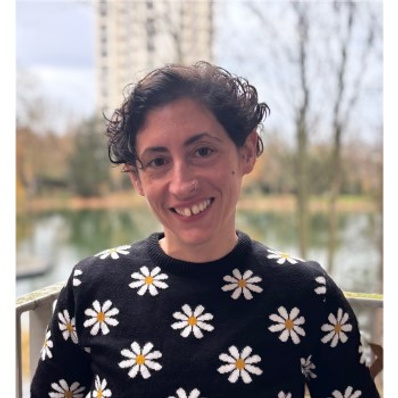
Virginia Silio
Virginia is a Confocal Technician working in the imaging facility at the Centre for Molecular & Cell Dynamics, University College London. She completed her PhD at the Universidad Autónoma de Madrid, where she investigated PI3K signalling during mitosis, followed by postdoctoral research at the University of Warwick studying the spindle assembly checkpoint. Virginia then transitioned into core facility roles, first at King’s College London’s Nikon Imaging Centre and now at UCL, where she supports researchers with advanced imaging techniques, including confocal, super-resolution, and light sheet microscopy. Over the years, she has developed expertise in high-quality image acquisition and robust bioimage analysis. Virginia is passionate about microscopy education, reproducibility, and promoting best practices to enhance research quality. She is also a strong advocate for the technical community, actively involved in initiatives that recognise and support the vital role of technicians in science.

Thomas Slater
Tom is a Lecturer in Electron Microscopy in the School of Chemistry at Cardiff University. His research primarily focuses on electron microscopy of nanoparticle catalysts, particularly understanding their three-dimensional structure and monitoring their evolution in reaction conditions. He has developed python packages for analysing nanoparticles from electron microscopy images and for elemental analysis using energy dispersive X-ray spectroscopy.
He obtained an MPhys (2011) and PhD (2015) from the University of Manchester, where his PhD was supervised by Sarah Haigh. He subsequently worked as a postdoc in the group of Phil Withers at Manchester, linking X-ray tomography to 3D electron microscopy by developing correlative workflows. From 2018 – 2022, he was an Electron Microscopy Scientist at the ePSIC facility at Diamond Light Source, before taking up his current position at Cardiff University.
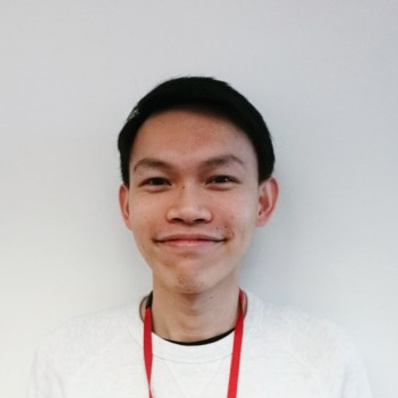
Chun Hao Wong
My research combines microscopy, CRISPR perturbation and high-throughput screening to study cellular processes that can only be uncovered through visualisation. I am interested in the development of spatial imaging technologies to study complex phenotypes. My previous work has applied multiplexed protein mapping, image-based profiling and in situ sequencing to systematically map the genetic perturbation effect at scale. At the Functional Genomics Screening Laboratory, I lead initiatives in forming academic-industry collaborations to apply CRISPR screening, often paired with imaging endpoints across diverse cell models to advance mechanistic understanding.
RMS Contacts

Victoria Masters
victoria@rms.org.uk
+44 (0) 1865 254769
Contact Victoria for RMS Event Hosting and RMS EDI&A queries.