
RMS Council

Peter O'Toole
Peter heads the Imaging and Cytometry Labs within the Technology Facility at the University of York which includes an array of confocal microscopes, flow cytometers and electron microscopes. Peter gained his PhD in the Cell Biophysics Laboratory at the University of Essex and has been involved in many aspects of fluorescence imaging. Research is currently focused on both technology and method development of novel probes and imaging modalities.
Peter has ongoing collaborations with many leading microscopy and cytometry companies and his group also provides research support to many academics and commercial organisations. Peter is also heavily involved with teaching microscopy and flow cytometry which includes organising and teaching on both the RMS Light Microscopy Summer School and the RMS Practical Flow Cytometry courses.
Rik Brydson
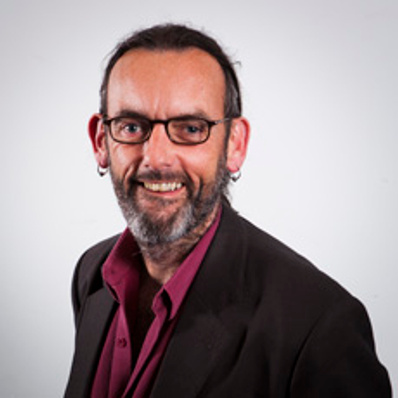
Rik holds a chair in the Institute for Materials Research (IMR) in the School of Process Environmental and Materials Engineering at the University of Leeds. He heads the NanoCharacterisation group based around the Leeds Electron Microscopy and Spectroscopy (LEMAS) centre which is shared between Materials and Earth Sciences and also acts as an EPSRC facility for external UK researchers. He has a general research interest in high spatial resolution chemical analysis in nanostructured materials, and has a current research h index of 32 with over 25 years research experience in nanomaterials characterisation. He has managed extensive national and international collaborations including being current consortium leader for the UK National Facility for Aberration corrected Electron Microscopy, SuperSTEM at Daresbury.
Rik is also on the Management Board of the European Microscopy Society. He has written an RMS Handbook on Electron Energy Loss Spectroscopy (Bios /Taylor and Francis 2001), has co-written a book on “Nanoscale Science and Technology" (Wiley 2005), edited a recent RMS book on Analytical Aberration-corrected Transmission Electron Microscopy with Wiley and has contributed a number of other chapters in specialist books on electron microscopy by other professional bodies covering Physics, Chemistry and Engineering. In recent years his research interests have focused on applying high spatial resolution characterisation methods (particularly TEM and EELS) to the nanochemical analysis of softer, more radiation sensitive materials.
Michelle Peckham
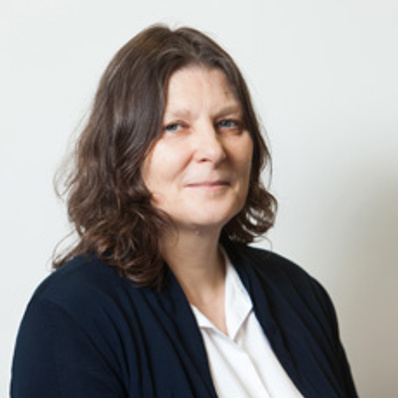
Michelle is Professor of Cell Biology in the Faculty of Biological Sciences. She obtained a BA in Physiology of Organisms at the University of York, and a PhD in Physiology at University College London. She moved to King's College London, and started to use a specialised form of light microscopy (birefringence) to investigate muscle crossbridge orientation. She then worked at UCSF, San Francisco for a year, where she used fluorescence polarisation to investigate muscle crossbridges. She moved back to the UK, to the University of York, to work on insect flight muscle. In 1990 she was awarded a Royal Society University Research fellowship, based at King's College London, and began working on the cell and molecular biology of muscle development, and started to use live cell imaging to investigate muscle cell behaviour in cultured cells, and confocal microscopy to investigate their cytoskeleton. She collaborated with Graham Dunn to use Digitally Recorded Interference Microscopy with Automatic Phase Shifting (DRIMAPS) to investigate cell crawling behaviour. She moved to Leeds in 1997 as a Lecturer, and has continued to use a wide range of both light and electron microscopy approaches to investigate the molecular motors and the cytoskeleton.

Rod Shipley
Rod has recently retired from his role at Thermo Fisher Scientific where he lead the Sales and Service Organisations as VP & Senior Director for over nine years in Europe, the Middle East and Africa.
Rod is a qualified Metallurgist and spent 13 years in Industry in a variety of roles culminating in heading the analysis department responsible for carrying out residual stress analysis on aerospace bearings for their main customer at Rolls Royce. It was from this position that he took his first steps into a commercial role in 1991 with Philips Analytical X-Ray responsible for XRD & XRF Sales in the Midlands and South West of England before switching to become the UK Sales Manager with FEI Electron Optics in 1998.

Maddy Parsons
Maddy is Professor of Cell Biology at King’s College London. Maddy completed her PhD in Biochemistry within the Department of Medicine at University College London in 2000. During her PhD she analysed the role of mechanical forces in dermal scarring. She then moved to Cancer Research UK laboratories in London for a 4-year postdoctoral position where she used advanced microscopy techniques including FRET/FLIM to dissect adhesion receptor signaling to the actin cytoskeleton and how this controlled directed cell invasion. Based on these achievements, Maddy was awarded a Royal Society University Research Fellowship in 2005 to establish her own group within the Randall Division of Cell and Molecular Biophysics at King’s College London.
Following completion of her fellowship, Maddy was appointed Reader at King’s in 2013 and Professor of Cell Biology in 2015. Maddy has established collaborations with developmental biologists and clinical researchers to study adhesion receptor signalling in skin blistering, wound healing, inflammation and cancer. She works closely with physicists, biophysicists and other world-leading cell migration groups in the field to develop and apply new imaging technologies to dissect spatiotemporal cytoskeletal signalling events in live cells, tissues and whole organisms. As a result of her interest and applications of advanced microscopy, Maddy developed a strong working partnership with Nikon, which subsequently led to the establishment of the state-of-the-art, world-class Nikon Imaging Centre at King’s College London of which she is Director. Maddy also currently works alongside other biotech and pharmaceutical companies to develop and apply advanced imaging approaches to basic mechanisms that underpin drug discovery.

Andy Brown
Andy is a Professor in the School of Chemical and Process Engineering at the University of Leeds and has a background in the application of analytical transmission electron microscopy to the characterization of materials, focusing more recently on nanoparticles and beam sensitive materials.

Kerry Thompson
Kerry is a Lecturer in Anatomy at the University of Galway since 2017. She is the Programme Director for the newly established MSc in Microscopy & Imaging at Galway. In 2010 she was awarded her PhD for a microscopy heavy research project which focused on structure function relations in the human endometrium. In 2011 she began work as a Postdoctoral Microscopy Facility Scientist in the Centre for Microscopy and Imaging (CMI) in Galway and was a key member in its establishment.
In the 2014/2015 academic year Kerry acted as a project lead in the “Under the Microscope” Programme, which brought the Microscope Activity Kits from the RMS into Irish Primary Schools for the first time. Following this Kerry was elected on the Outreach & Education Committee of the RMS. With the support of both the RMS and the Microscopy Society of Ireland, the team continue to visit schools all over Ireland and partake in outreach events. In 2018 she succeed Prof Susan Anderson as the Honorary Secretary of Outreach and Education of the RMS. Her current research is focused on the development of correlative light and advanced electron microscopy techniques and technologies. She is keenly involved in the acquisition of microscopy related research infrastructure, and the development of adequate training and career progression pathways for Imaging Scientists and Core Facility Staff.

Kurt Anderson
Kurt is a cell biologist who uses advanced imaging methods to study cell migration. He completed his PhD at the University of Salzburg in 1997 on the actin-based mechanism of fish keratocyte migration. He then spent 2 years as a post-doc at the Marie Curie Cancer Research Institute (UK) before moving to Dresden in 2001 to set up the light microscopy facility at the new MPI-CBG. In 2005 he moved to the Beatson Institute for Cancer Research in Glasgow, where he runs the Beatson Advanced Imaging Resource (BAIR) and a research group investigating tumor cell migration. His work at the Beatson used imaging methods such as FRAP and FRET to study the molecular dynamics of cell adhesion and migration in vitro and in vivo. In 2016 Kurt moved to the Francis Crick Institute, where he is now Head of the Crick Advanced Light Microscopy Facility (CALM)

Anna Baldycheva
Anna Baldycheva is an Assistant Professor in Engineering at the University of Exeter, where she leads STEMM Laboratory – a highly interdisciplinary academic research lab working on applied R&D of smart materials, devices and systems for real-world applications. STEMM Lab specifically conducts applied research in cooperation with industry and business.
Prof Baldycheva is a Fellow of the Royal Microscopical Society and a Fellow of the Royal Higher Education Academy. She served on the board of the EPMS section of the RMS since 2015, as a section committee member, then as a deputy chair and since 2023 as a chair of the section. Prior to her active involvement in the RMS activities, she was on board of the Microscopy Society of Ireland. At the RMS Prof Baldycheva is also actively involved in outreach activities to support and promote women in microscopy and related disciplines, as well as running and organising events for children.
With over 15 years of combined experience in pioneering R&D within prestigious academic institutions such as MIT, Trinity College Dublin, Tyndall Institute and the University of Exeter, Professor Baldycheva is an internationally recognised female researcher, expert in emerging technologies, innovator and entrepreneur in STEMM, who is the founder and the main driver behind the Women in STEMM Initiative - It’s Her! https://itsher.today/ featured in Forbes and other media. Since 2019 she serves on the committee of the Jocelyn Bell Burnell PhD Scholarship to support physicists from under-represented groups.
She is also a founder and trustee of STEMM Global Scientific Society - the first international academic network helping scientists and innovators to connect and establish collaborations on emerging technologies projects across STEMM disciplines.
Since 2015 Prof Baldycheva has been an expert in Future and Emerging Technologies at the European Commission. She has published over 100 scientific publications to date with over 1000 citations. She is an editor of the Nature Scientific Reports and Discover Nano Journals and a guest editor in a number of recognised scientific journals.

Susan Brooks
Susan has been involved with the RMS since winning an RMS prize for young scientists giving their first public scientific talk in 1985. Her research uses different types of microscopy -- standard light and fluorescence, confocal and electron microscopy - to study cancer biology. She is passionate about science education and teaches on a range of undergraduate and postgraduate cancer and cell biology courses. She has been an organiser of the RMS Cell Imaging Techniques course since 1996. She has authored and edited half a dozen books and is the RMS-Wiley Book Series editor.

Laura Clark
Since 2022, Laura is a Royal Society University Research Fellow at the University of York, where she is developing 4D-STEM imaging of beam-sensitive materials (https://www.york.ac.uk/physics-engineering-technology/people/lauraclark/).
Marie Curie Research Fellow at the University of Leeds working in the LEMAS facility within the School of Chemical and Process Engineering, to develop 4D-STEM imaging of beam-sensitive materials.
She received her BSc and MSc in Physics from the University of York, before completing her PhD in the EMAT lab of the University of Antwerp. During her PhD she developed methods to generate and quantitatively analyse electron vortex beams in transmission electron microscopes. Subsequently she held postdoctoral positions at Monash University and the University of Glasgow, where she developed differential phase contrast STEM imaging methods, before holding an ESTEEM3 postdoctoral position at the University of Oxford, and then a subsequent Marie Skłodowska-Curie fellowship at the University of Leeds, developing 4D-STEM data analysis methods.
As the representative from the IOP’s electron microscopy and analysis group (EMAG) on the RMS-ECR committee, she aims to improve integration between the two communities.

Roland Fleck
Roland is Reader and Director of the King's Centre for Ultra Structural Imaging

Yanping Guo
Yanping is the manager of the Flow Cytometry Translational Technology Platform at UCL Cancer Institute. After receiving her DPhil degree from Oxford University, Yanping did her postdoc research at UCL focusing on the hematopoietic stem cells and leukaemia. She enjoys helping users with training, experimental design and data analysis for flow cytometry in different disciplines.
She is also has a keen interest in the teaching and mentoring of younger scientists.
Jamie Hobbs
Jamie received a BSc in Physics from the University of Bristol in 1991, followed by a PhD in polymer physics, also from Bristol. Following work with Peter Barham and Andrew Keller on polymer crystallization, he worked with Mervyn Miles using and developing AFM for studying polymers. He pioneered methods for following polymer crystallization in real time, and then co-developed a new high speed scanning (videoAFM) approach which led to the launch of a spin-out company, Infinitesima Ltd. On moving to Sheffield in 2004 he started to collaborate widely with biologists, as well as further developing AFM approaches for high speed and high resolution imaging. His work is now focused on the development and application of AFM for imaging living systems, in particular bacteria, plants and cancer.

John Hutchison Hon FRMS
John’s involvement with the RMS started 40 years ago when his micrograph entry won first prize in the 1974 competition. He was awarded a Certificate and the Glauert Medal by the then President Gerard L’E Turner.
John joined the Materials Science Section in 1984, and later the Electron Microscopy Section. Following a six year stint as Executive Honorary Secretary, he was elected President for the period 2002 – 2004, during which time he had the opportunity to present Gerard L’E Turner with an Honorary Fellowship, almost 30 years after receiving his own competition prize from him!
In 2014, to mark the Society's 175th anniversary, John wrote a specially commissioned book 'Moving Forward' highlighting the Society's activities from 1989-2014, bridging the gap from God Bless the Microscope! by Gerard L'E Turner

Chris Kennedy

Verena Kriechbaumer
Verena is an Associate Professor in Biotechnology and Plant Sciences at Oxford Brookes University, where she also serves as Deputy Director of the Centre for Bioimaging. Her research sits at the interface of cell biology, molecular biology, and advanced microscopy, with a particular focus on the architecture and function of the plant endoplasmic reticulum (ER). She leads the Endomembrane Structure and Function research group, which investigates ER-shaping proteins, integral membrane proteins, large protein complexes, and hormone biosynthesis pathways associated with the secretory system.
A central component of Verena’s work is the application of advanced imaging technologies to dissect the structural dynamics of plant endomembranes. She employs a suite of microscopy techniques, including high-resolution live-cell confocal microscopy, FRET-FLIM, and both 2D and 3D transmission electron microscopy.
Verena earned her Diplom in Biology and PhD in Plant Genetics and Biochemistry from the Technical University of Munich, focusing on tryptophan and auxin biosynthesis in maize. She has held postdoctoral positions at Oxford Brookes University and Sheffield Hallam University, where she expanded her expertise in ER and Golgi research, live cell imaging, and protein interactions. Verena’s contributions to plant cell biology are recognized through her publications and collaborations. Her interdisciplinary approach bridges fundamental research with practical applications, such as engineering plants for methane detoxification and production of human therapeutics.

Leandro Lemgruber
Leandro obtained his PhD in Biophysics in Brazil, studying the cellular structure of parasites and the interaction with host cells. He did a Post-doc at the University of Heidelberg (Germany) working on the cytoskeleton dynamics of the Malaria parasite Plasmodium sp and its structural organization. He took a position as a Research Support Specialist at the Electron Microscopy Resource Center of The Rockefeller University (New York, USA) and afterwards a position of Research Associate at the National Technology Institute in Brazil. Since 2015 he manages the Imaging sector of the Wellcome Centre for Molecular Parasitology at the University of Glasgow. Since his PhD, Leandro has applied optical, electron, super-resolution and cryo-microscopy in his work, as well as correlative microscopy.

Ian MacLaren
Ian MacLaren graduated with a BSc Hons in Physics from the University of Birmingham in 1991 and with a PhD in Metallurgy and Materials from the same institution in 1995. After research positions and fellowships at University of Birmingham, Chalmers University of Technology in Sweden, Chinese Academy of Sciences in Beijing, Max Planck Institute for Metals Research in Stuttgart, Germany, and Technical University of Darmstadt, Germany, he was appointed to a lectureship in Physics at the University of Glasgow in 2004. He has subsequently been promoted to Reader in Physics. His research has covered the application of a range of techniques in the broad field of Transmission Electron Microscopy to mostly inorganic materials and structures, including metals and alloys, ceramics, nanoparticles, thin films and heterostructures, glasses, planetary materials and more. In recent years, he has made particular contributions in the rapidly growing field of 4DSTEM. He is also passionate about ensuring that microscopy and wider science is as inclusive as possible allowing talented people to thrive and contribute irrespective of background or whatever defining characteristics they have, and has a long track record of working to promote equality, diversity and inclusion in his own university and in the professional organisations he is a member of.

Francis Morrissey
Francis has worked for Philips, FEI and now Thermo Fisher Scientific for 19 years in Applications, Product Management, Marketing and Sales.
FEI was purchased in September 2016 by Thermo Fisher Scientific. Former FEI manufacture Scanning and Transmission Electron Microscopes (SEM & TEMs), Focused Ion Beam Systems and when these are integrated with an SEM, DualBeam systems. They also have our own x-ray MicroCT system. Different models and configurations of all of these systems are made for three main markets, Semiconductor (& Data Storage), Materials Science and Life Science. They also have a software division which besides supporting their high level software platforms, produces the well-known Amira and Avizo 3D visualisation packages.
The wider Thermo Fisher Scientific company manufacture a very wide range equipment: XPS, EDS, Mass Spectrometers, Chromatography and DNA sequencing systems, and an extensive range of lab and consumable equipment.
Bami Osidele
Bami is a fundraising, partnerships and systems change leader with over a decade of experience fundraising and delivering cross-sector collaborations across health, sustainability, and technology. He currently serves as National Partnerships Manager at Macmillan Cancer Support, where he leads multisectoral national partnerships to tackle inequities for people living with cancer.
Bami has extensive experience in fundraising and programme design, having structured blended finance partnerships and secured funding with UNICEF, the IOM-UN, private foundations, corporations, and trusts. His work has included launching carbon-financed health campaigns, creating sustainability-themed programmes, and developing digital inclusion initiatives.

Katherine Paine
Katherine completed her PhD in Chris MacDonald’s lab at the University of York using yeast as a model organism to study membrane trafficking. This project involved using a wide range of microscopical techniques such as SIM and FRET study the regulation of cell surface membrane proteins. She is now a postdoc in Simon Wilkinson’s group at the University of Edinburgh in the field of autophagy where she continues to use a variety of microscopical techniques to answer biological questions.

Julia Parker
Julia is an X-ray microscopist at Diamond Light Source, the UK’s national synchrotron facility. Julia is responsible for the operation of the hard X-ray nanoprobe beamline, supporting nanoscale spectroscopy, diffraction and imaging experiments across the life and physical sciences. Julia joined Diamond in 2007 after completing her PhD at the University of Cambridge. Julia’s current research interests lie in the area of biomineralisation, using synchrotron techniques to unveil details of the structure of calcium carbonates formed by organisms such as shells and studying the crystallisation and formation pathways of calcium carbonates.

Alice Pyne
Alice Pyne is a Lecturer in Polymers/Soft Matter & MRC/UKRI Innovation Fellow in the Department of Materials Science and Engineering at the University of Sheffield. Alice has over a decade of experience in scanning probe microscopy, spanning high-speed and high-resolution imaging, probe development and cantilever sensing. Alice’s current research aims to understand how variations in DNA structure can affect fundamental biological processes such as replication and transcription. She uses high-resolution AFM to observe variability in structure and conformation in individual DNA molecules and to understand how these variations influence interactions with oligonucleotides and proteins, with a long-term view to improved development of therapeutics.

Eric Prestat
Eric Prestat is Senior Electron Microscopy Scientist in the Materials Department of the UK Atomic Energy Authority (UKAEA) since 2021. Following the completion of his doctoral studies in Physics in 2013 at the Karlsruhe Institute of Technology in Germany and the Grenoble Alpes University in France, he joined the Department of Materials at the University of Manchester as a Post-doctoral Research Associate and in 2017 was appointed Lecturer in Materials Characterisation, as part of a joint-appointment with the SuperSTEM Laboratory, the EPSRC National Research Facility for Advanced Electron Microscopy. Eric has over 15 years’ experience in the application of (S/)TEM techniques in a variety of materials at the nanoscale, in particular with the use of analytical, aberration corrected or in situ gas environmental (S/)TEM techniques to uncover the structure-property relationships of materials. He is a lead-developer of the HyperSpy framework – a community-driven open-source Python eco-system, which is leading processing and analysis of hyperspectral and multidimensional electron microscopy data in the physical sciences. His current research focuses on gaining mechanistic understanding of materials degradation in fusion relevant environments to inform the design and materials qualification of fusion energy power plants.

Liam Rooney
Liam is a Fellow in Bacteriology in the School of Infection & Immunity at the University of Glasgow. His research spans both the fields of microbiology and optical imaging, with other interests in 3D printing and Open Microscopy/Open Hardware research. He recently co‑developed the world’s first fully 3D‑printed microscope and promoted open sharing of high-performance low-cost 3D printed lenses for bioimaging. Liam's microbiology research focuses on understanding the spatial dynamics of infection and antimicrobial resistance across scales, using advanced imaging methods to tackle complex issues spanning infection biology, antimicrobial resistance, host-pathogen interactions, and image-based diagnostics.
He is an active member of the Microbiology Society and a Fellow of the Royal Microscopical Society, having served as Chair and then Vice Chair of the RMS Early Career Committe (2020-2025). He was honoured as the inaugural Scottish Microscopist of the Year 2023/24 and is actively engaged in several initiatives focussing on community engagement and EDIA. He is an organiser and lecturer on the Strathclyde Optical Microscopy Course, an annual 10-day residential practical course on all aspects of optical microscopy.

Leslie Stump
In the mid-sixties Leslie began his career working in the Department of Metallurgy at the University of Oxford. He then moved to the Physics Department at Rice University in Houston, Texas and then to the Department of Metallurgy at the University of Toronto before returning to Oxford to the Department of Zoology. He remained there for six years continuing to be involved in both light and electron microscopy. Leaving Zoology in the mid-seventies his sales career began in the microscope division of British American Optical and he has remained in the microscopy and imaging business to date.

Steve Thomas
Steve is a Lecturer in the Institute of Cardiovascular Sciences, College of Medical and Dental Sciences. His interest is in using imaging approaches to understand the cytoskeletal organisation of platelets and their precursor cell the megakaryocyte, and how this regulates platelet production and function. He has a background in plant cell biology and made the move to studying the mammalian cytoskeleton during a postdoc with Prof Laura Machesky. Steve’s recent focus has been on applying new advances in fluorescence microscopy, including TIRF, super-resolution and light sheet microscopy to study how the actin cytoskeleton is required for protrusion of proplatelets through blood vessel walls during platelet formation, and in help platelet aggregates adhere and resist shear forces in blood flow.

Paul Verkade
Paul Verkade is a Professor of Bioimaging at the University of Bristol, UK. He has been working in the field of microscopy from the start of his scientific career and over the last 15 years has established himself as one of the leaders in the field of Correlative Light Electron Microscopy (CLEM).
As a champion of Correlative Microscopy and a passion for training the next generation of microscopists, he has taught on and organised numerous RMS and other courses including 4 EMBO practical courses on CLEM in Bristol and edited 5 books on Correlative Microscopy.
He is a long-standing member of the Electron Microscopy section of the RMS, having served as chair and other functions. He has been involved in the set-up of the RMS mentoring scheme that started in 2022.
One of the main efforts is to bring together imaging communities and organise the funding of imaging infrastructure, Paul has been an active member of the BioImagingUK community since the beginning, set up EM-UK as an EM network together with Pippa Hawes (Pirbright institute) and in 2019 initiated the organisation of the volume EM community, together with Lucy Collinson (Crick) and Gerard Kleijwegt and Ardan Patwardhan (EMBL-EBI).

Rachael Walker
During her PhD in Clinical Engineering at the University of Liverpool. Rachael was introduced to flow cytometry and cell sorting when tasked with setting up and running a MoFlo cell sorter. This has led to a successful career in flow cytometry and core facility management. Rachael was highlighted as a future leader in Cytometry with the award of a place on the ISAC Scholar Program (2012-2014) and Emerging Leader in Shared Resource Laboratory Program (2014-2016).
Now with nearly 25 years of experience in flow cytometry and cell sorting and 20 years of working in flow cytometry core facilities, Rachael was a wealth of experience in analysis and sorting cells of differing types including; immunology, cell biology, stem cell biology, large cells such as cardiomyocytes, c. elegans eggs; organelles such as nuclei. Rachael can provide expertise in experimental setup, optimisation and analysis. She can help with optimal instrument set up, post- acquisition analysis of data and preparing figures for papers.
Rachael joined Babraham Institute Flow Cytometry Core Facility in September 2012, following 7 years running Flow Cytometry Core Facilities at the University of Cambridge. During her time at Babraham Institute, Rachael was grown the facility to help facilitate the world-class research of the Institute as well as serving over 35 biotech companies that use the facility. Rachael has been instrumental in transforming the core to be a hub for innovation with the latest spectral and imaging cytometers.
Rachael is heavily involved with the flow cytometry community, including being Chair of the Cambridge Cytometry Club; secretary and of the main organisers of flowcytometryUK annual meetings and being on several committees/taskforce for International Society of Advancement of Cytometry (ISAC). Rachael was elected to ISAC Council (2022-2026). Rachael was awarded the Papin Prize for Knowledge Exchange in 2023. In 2025 Rachael was given a Highly Commended award as Researcher of the Year in the Cambridge Independent newspaper Science and Technology Awards.
Rachael was awarded a BBSRC Modular Training Program Grant in 2014 with Derek Davies to write flow cytometry courses. These courses now in their 10th year have trained over 2000 scientists. Her passion for education has led her setting up the annual Babraham Institute Spectral Flow Cytometry Symposium. Now its 4th year, this unique symposium gives delegates the chance to hear from world leading experts in spectral flow cytometry and partake in workshops.

Christa Walther
Christa has worked in a number of light microscopy facilities across different countries, following the completion of her PhD studies at the University of Sheffield, UK.
Prior to undertaking her doctoral studies, she spent several years working in industry with Miltenyi Biotec in Bergisch Gladbach, Germany.
During her time at the University of Sheffield she was awarded a Fellowship from Advance HE. She continues to teach in postgraduate courses at the University of Vienna, Austria, based at the Max Perutz Labs.
Her professional interests include enabling interdisciplinary collaboration, the exchange of knowledge across scientific domains, and the development of new approaches in microscopy training and teaching.

Phoebe Whitlock
Phoebe works as Legal Counsel. She originally trained as a barrister and was called to the Bar by Gray’s Inn in 2019. As a non-practising barrister, she additionally qualified as a solicitor in 2023 under the new SQE system. She has worked in a diverse range of in-house commercial technology roles at a cybersecurity company, a financial technology company and Google.
Phoebe is a Director of the Intellectual Property Awareness Network and part of the agile management team at the Society for Computers and Law, overseeing the Advisory board.
Phoebe is dedicated to inclusion and diversity both within the legal profession and the technology industry. Her dedication to diversity and inclusion has garnered recognition, earning her the In-House Rising Star award at the Women and Diversity in Law Awards and the In-House Rising Star award at the Women, Influence and Power in Law UK awards.
Phoebe has sat on several DEI Committees. She is also Chair of the Board of Trustees of Codebar, a charity that facilitates the growth of a diverse industry by running free regular programming workshops for minority groups. She has a clear passion for developing people and enabling them to succeed.
Beyond her professional accomplishments, Phoebe is deeply involved in mentoring schemes. She is a volunteer with SEO London and mentors young women coming into the legal profession. She is also a Mentor in the Judicial Reverse Mentoring scheme, a program that aims to foster greater understanding among the judiciary of the experience of individual lawyers from underrepresented groups, and of the barriers faced by underrepresented groups in accessing a career in law and in the judiciary.
In combination with her professional roles, Phoebe has also been undertaking academic study. She has just finished her MSc in Intellectual Property at St Peter’s College, University of Oxford. Her research focused on the history of generative AI and its regulation in the UK. She hopes to further develop this area of interest and is passionate about bringing AI into the legal profession.
How do we elect officers and ordinary members of RMS Council?
The process by which officers are elected to RMS Council can be found in our By-Laws, but are also summarised in the extract below. If you have any questions about this process, please contact Jade Sturdy.
Election
41. At any date not less than three calendar months before the Annual General Meeting, any four Fellows may nominate any other duly qualified person to fill any of the Offices of President, Vice-President, Honorary Secretaries, Honorary Treasurer or other member of Council by delivering the nomination in writing to the CEO together with the written consent of the nominee to accept Office if elected.
42. A notice inviting nominations from the membership shall be published at least four calendar months before the Annual General Meeting.
43. At a meeting not less than three calendar months before the Annual General Meeting, Council shall nominate qualified persons for election at the Annual General Meeting as Officers and ordinary members of Council.
44. A list of the names of all persons nominated to hold Office on the Council shall be published to all members not later than three weeks before the Annual General Meeting.
45. The list shall show which candidates are nominated by the Council and shall give the names of the members by whom each of the other candidates (if any) is nominated.